
Why Choose A Maine Coon? Personality, Traits & Whether They Make Good Pets
How Maine Coons differ from a normal cat — personality, temperament, and whether they're the right family pet.
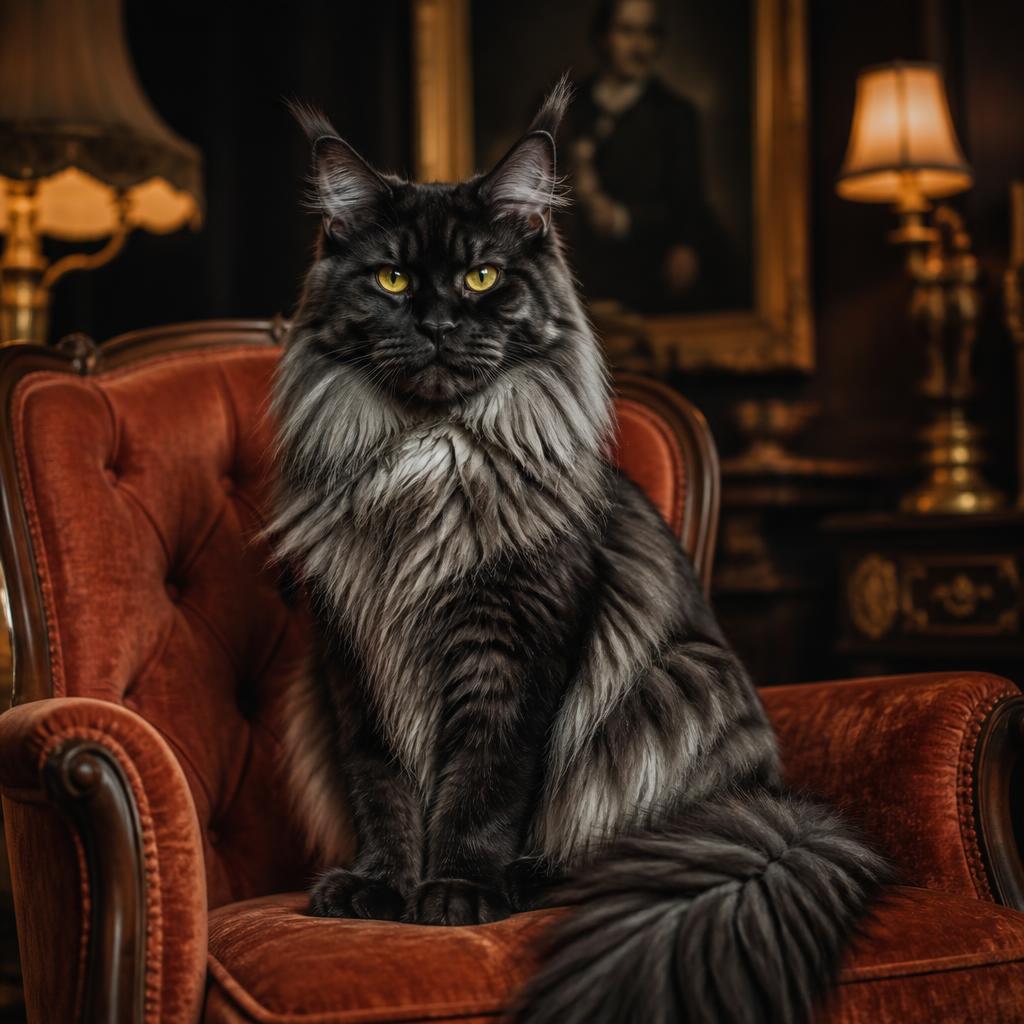
Families new to the breed usually arrive with the same question: what makes a Maine Coon different from a normal cat, and are Maine Coon cats actually good pets? The short answer is yes — for the right home. The longer answer is what this essay is for.
Start with personality. Maine Coon cat personality is the single most cited reason families fall in love with the breed. They are calm, confident, and unusually social. Where most cats retreat from a visitor, a Maine Coon walks over to greet them. Where most cats hide from the vacuum, a Maine Coon supervises it. The breed is often called dog-like — they follow their people from room to room, learn their name quickly, and many will happily walk on a harness or play fetch.
Maine Coon vs a normal cat comes down to four visible differences. First, size — an adult European Maine Coon male commonly reaches 18–25 lbs, roughly double a typical domestic cat. Second, temperament — Maine Coons are famously gentle with children, dogs, and household chaos, where the average cat is more territorial and easily startled. Third, voice — Maine Coons chirp and trill more often than they meow, and the sound is softer than the body suggests. Fourth, maturation — they grow slowly, filling out in structure and mass until three or four years of age, so the cat you bring home at twelve weeks is still becoming themselves at four years.
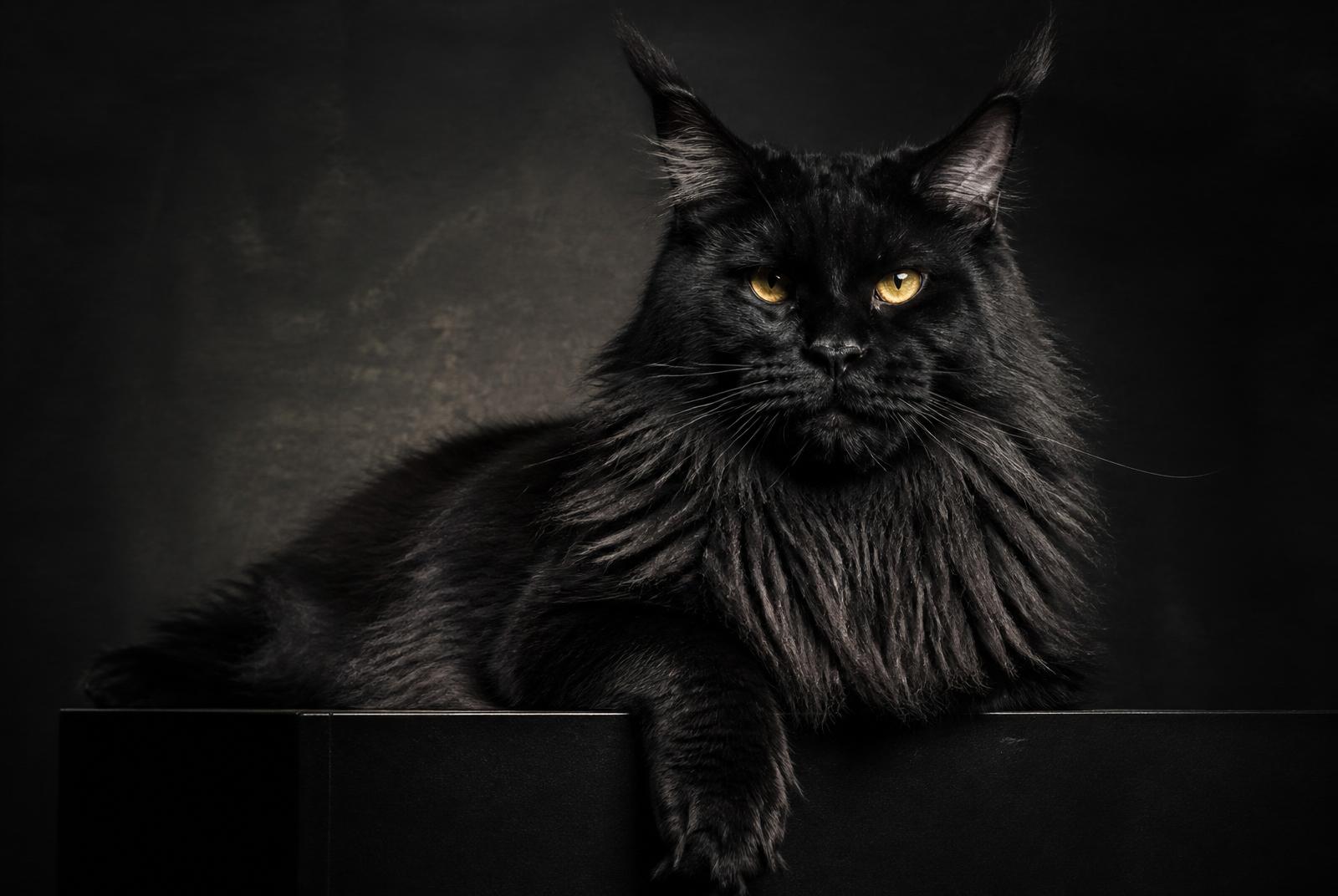
Are Maine Coon cats good pets? For families that want a cat who is present, patient, and part of daily life, yes — few breeds are as well suited. They tolerate children who don't yet know how to be gentle, they get along with most dogs, and they settle into busy households the way larger animals do — deliberately, without drama. They are not the right cat for a family that wants an independent, low-interaction pet; Maine Coons want to be with their people.
Practical realities matter too. Maine Coons need vertical space (a weight-rated cat tree, not a flimsy one), a jumbo litter box, regular gentle grooming of the ruff and britches, and enough interaction each day to feel included. They are indoor cats. In warmer climates like South Carolina, air conditioning and multiple fresh water stations keep them comfortable year-round.
Health is the other side of the answer. Well-bred Maine Coons from health-tested parents (HCM, SMA, PKDef — all N/N) typically live 12–16 years in good health. Poorly bred Maine Coons can carry inherited disease that shortens life dramatically. The breed is only as good a pet as the breeder behind it.
At Ironmane Coons we breed exclusively European Maine Coons from health-tested Russian, Polish, and Italian bloodlines, and we raise every kitten in the busiest rooms of our home. If the temperament and presence described here is what you're looking for, the Priority Waitlist is the right next step.
Common questions.
- What is a Maine Coon cat's personality like?
- Maine Coon personality is defined by calm confidence, sociability, and gentleness. They are deeply loyal, tolerant of children and dogs, dog-like in following their family, and vocal in a soft chirping way rather than loud meowing.
- What's the difference between a Maine Coon and a normal cat?
- Compared to a typical domestic cat, Maine Coons are much larger (18–25 lbs for adult males vs 8–10 lbs), more social and dog-like in temperament, slower to mature (filling out until 3–4 years), and chirp and trill instead of meowing. They are also longer-coated and generally gentler with children and other pets.
- Are Maine Coon cats good pets?
- Yes. Maine Coons are widely considered one of the best cat breeds for families, first-time cat owners, homes with children, and households with dogs. They are patient, social, and adaptable. They do best in homes where they can be part of daily life — they are not the right choice for someone who wants a hands-off, independent cat.
- Are Maine Coons good with kids and dogs?
- Maine Coons are known for being unusually tolerant of children and companionable with dogs. Their calm, confident temperament and slow-to-startle nature makes them well suited to busy family households — provided the kitten is raised in-home with early socialization.
Begin with our Health & Genetics page, meet the kings and queens, review our upcoming pairings. Learn what sets a European Maine Coon apart, see available kittens and how delivery works — and, when you are ready, join the Priority Waitlist.
Continue Exploring
Where families go next
Cornerstone
European Maine Coon Kittens
What separates a European Maine Coon from an American line — bone, muzzle, coat, and temperament.
ReadCornerstone
Black Maine Coon Kittens
Solid black, black smoke, and black silver — how each is inherited and how a kitten's coat changes.
ReadCornerstone
Available Kittens
Current and upcoming litters, expected colors, and how the Priority Waitlist is worked through.
ReadCornerstone
Delivery & Transport
Nationwide and international placement — flight nanny, documentation, and arrival-day support.
ReadCurrent Pairing
Calhoun × Ravenel
The pairing dossier — parents, expected colors, timing, and the live litter journal.
View dossier